Product Guides
Reading a Braid Spec Sheet
PE rating, strand count, diameter and tensile strength each answer a different question. Confusing them is how a buyer ends up with line that behaves nothing like the sample.
6 min read
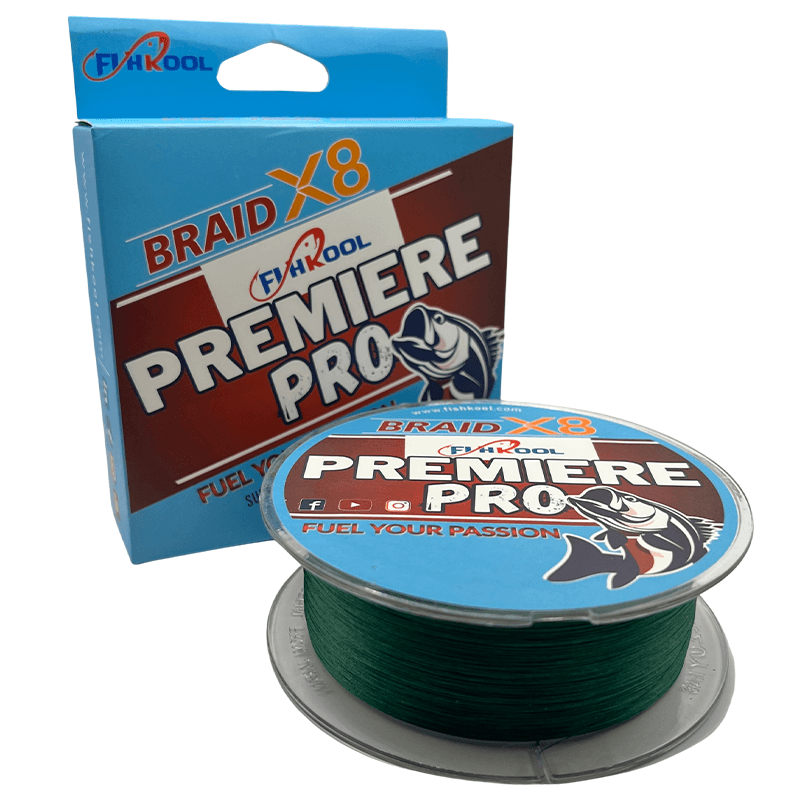
A braided line listing carries four numbers that look interchangeable and are not. Read together they describe a line; read separately they describe four different lines.
The four figures
- PE rating — a Japanese sizing scale, not a measurement. It groups lines by a nominal size, which is why PE 2.0 from two factories can differ in actual diameter.
- Diameter — the real measurement, in millimetres. This is what determines how much line a spool holds.
- Strand count — 4-strand braid is cheaper and cuts through weed well; 8-strand is rounder, casts further and costs more to make.
- Tensile strength — the breaking figure, quoted in LB or KG depending on the market the brand sells into.
PE rating is a label. Diameter is a fact. If a supplier will only give you the first, ask again for the second.
Why spool length matters more than it looks
Spool length is not a spec of the line at all — it is a spec of the order. The same braid on a 150M spool and a 300M spool is the same product with a different cost per unit, and the longer spool is almost always the better value per metre. It is also the field most often left as "contact us", which is exactly the field a buyer needs a number for before they can compare anything.
A habit worth keeping
Before comparing two lines, put them at the same diameter and the same spool length. A cheaper line at a thinner diameter on a shorter spool is not a cheaper line, and the difference is easy to miss when the two listings are formatted differently.