OEM Insights
What a Custom Tackle MOQ Actually Covers
A minimum order quantity is not a sales threshold. It is the number of units over which a production run's setup cost stops being the dominant cost.
5 min read
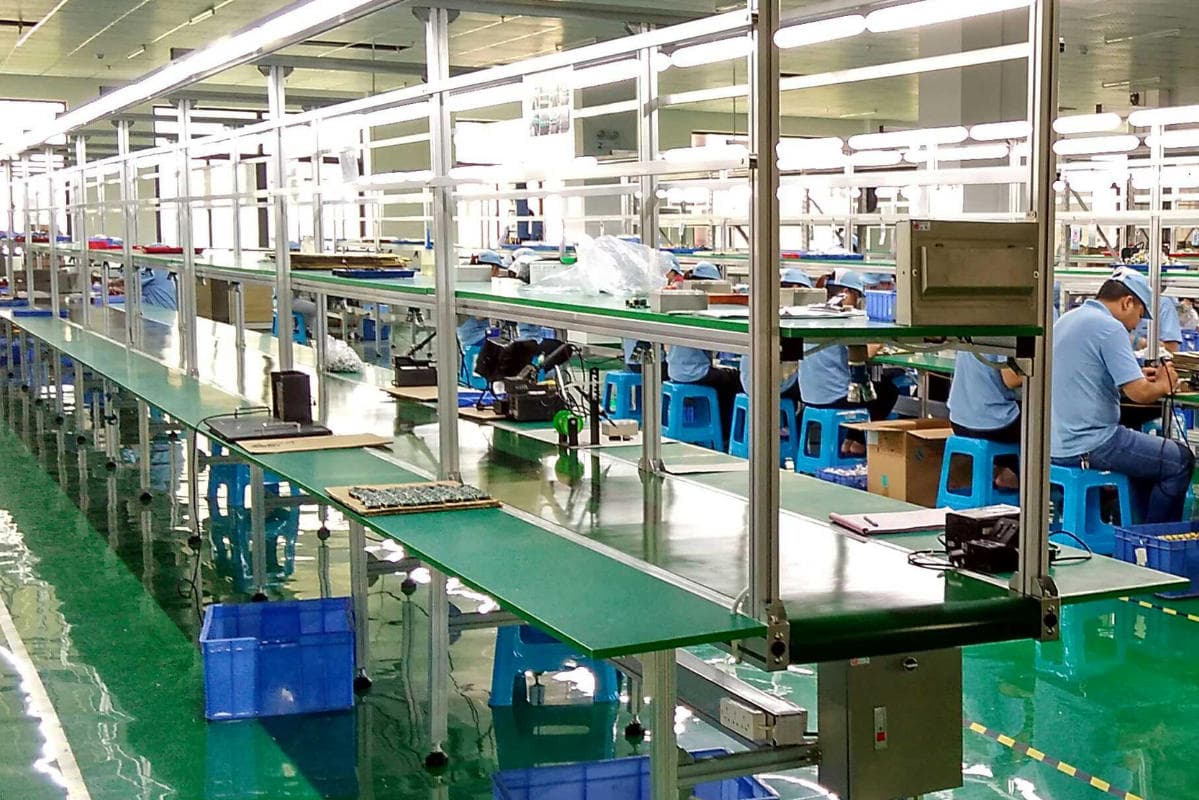
Buyers tend to read a minimum order quantity as a gate someone chose to put in front of them. It is usually closer to arithmetic: a run has fixed costs that exist whether you make 200 units or 20,000, and the MOQ is roughly where those fixed costs stop dominating the unit price.
What the fixed cost actually is
- Tooling and moulds — a reel body or a lure shell needs a mould before the first unit exists.
- Machine setup and line changeover — time the line spends not producing.
- Material minimums — a braid run needs a batch of raw PE whether you want it or not.
- Sampling and pre-production approval — the units nobody buys but everybody needs.
- Packaging print runs — retail boxes are printed in batches far larger than the goods inside them.
Ask what the setup costs, not what the minimum is. A supplier who can answer the first question can usually move the second.
Why it differs so much by category
Hooks are stamped by the thousand and packed by machine, so their minimum is measured in boxes. A surf rod is assembled, wrapped and finished with more handling per unit, and its minimum is measured in tens. Seeing two very different MOQs from the same factory is not inconsistency — it is the same arithmetic applied to different builds.
Where there is usually room
The number itself is often the least flexible part of a first order. Packaging, colourway assortment and mixed cartons usually are. A supplier who will not move the MOQ will frequently still let you split it across two or three SKUs, which gets a buyer to a testable range without asking anyone to eat a setup cost.